
Premier Drainage System Builder in Nassau County, FL
Living around Fernandina Beach, Yulee, or Callahan means dealing with heavy summer downpours that hit hard and fast. When thick clay subsoil or flat coastal ground traps that water against your house, standard yard grading usually isn't enough. For twelve years, Cascioli Landscapes has designed and installed custom pipe networks, French drains, and catch basins to carry water away before it damages turf or structural concrete. Call (904) 874-5139 to get an honest look at what your property needs.
How Water Moves (and Stalls) in North Florida Yards
Summertime storms in North Florida drop massive amounts of rainfall in twenty minutes flat. In places with high water tables or dense clay layers just below the topsoil, that rain has nowhere to soak in. The result is squishy grass, muddy footprints in the house, and standing pools that stick around for days. Left alone, lingering water strips nutrients from turf grass, rots plant roots, and puts pressure on concrete slabs.
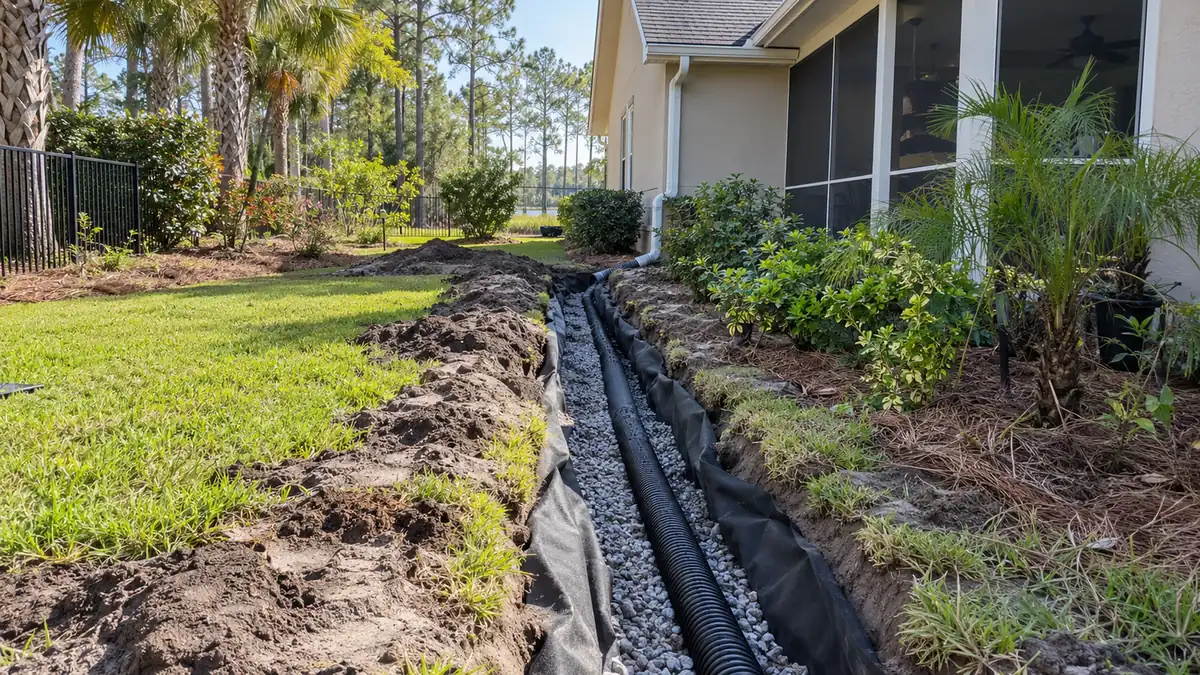
Fixing it requires more than digging a quick trench or throwing down pine straw. A long-term solution looks at how water enters your land, where the lowest ground lies, and how to carry excess volume off the property safely. That might mean buried PVC pipe attached to downspouts, deep gravel-filled French drains to lower subterranean moisture, or heavy-duty surface grates set in low spots. Every property presents different elevation challenges, so every system gets built specifically for the lot it sits on.
What Proper Water Control Actually Protects
Fixing water issues does far more than make grass easier to cut on Saturday morning. Soil that stays soaked week after week swells and shifts, which puts continuous hydrostatic pressure against concrete slab foundations and footing edges. Over time, that pressure creates small stress fractures and lets moisture creep into wall assemblies or garage floors.
Erosion is another hidden problem. Torrential rain easily washes away soft topsoil around flower beds, trees, and fence posts, leaving exposed roots and ugly gullies. Standing pools also create perfect conditions for mosquito breeding and fungal lawn diseases like brown patch. Diverting that flow protects your foundation, keeps lawn roots healthy, and keeps your outdoor space usable even during the wettest months of July and August.
Twelve Years of Fixing Local Yard Flooding
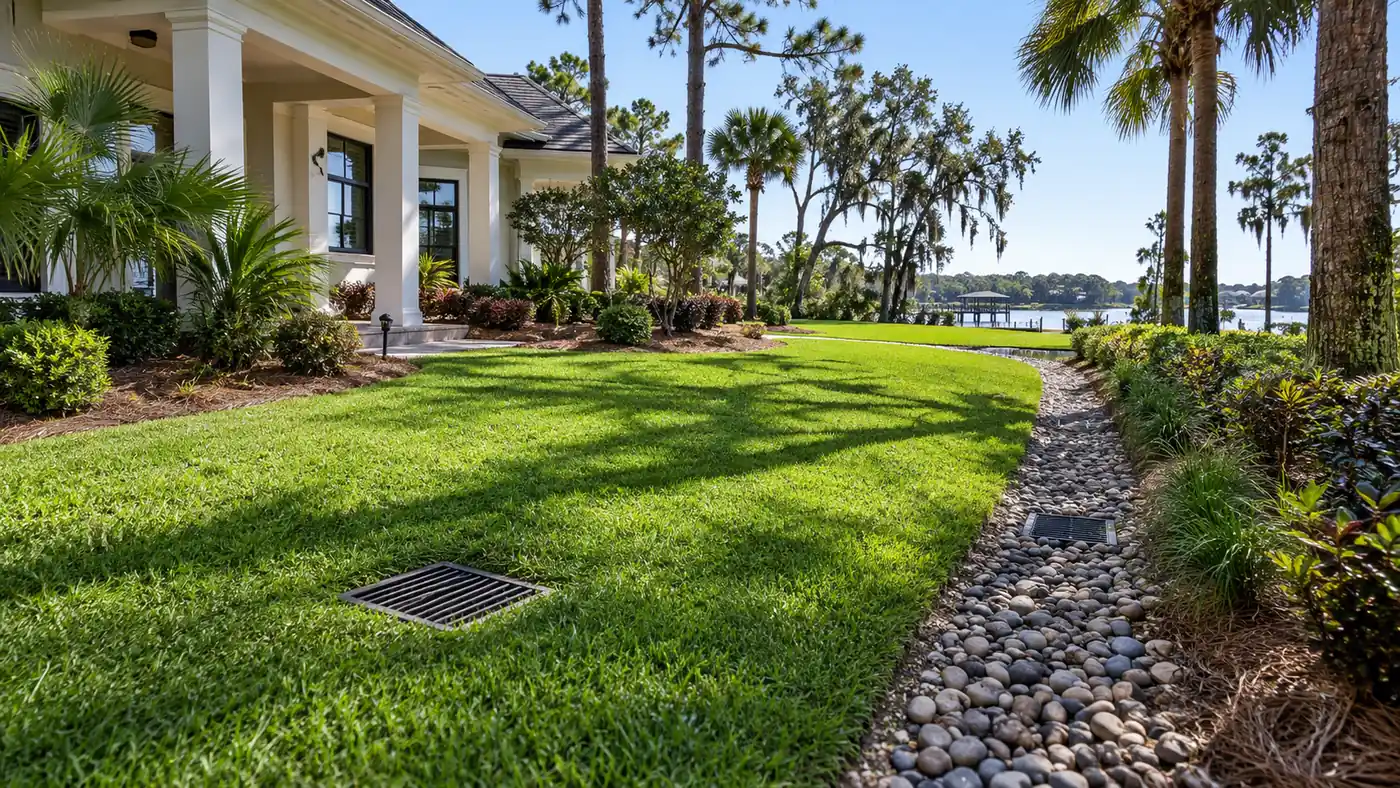
Cascioli Landscapes operates as a family-owned contractor right here in the area. Over twelve years on local job sites, we have seen almost every water problem this terrain can create - from flat Yulee lots with zero natural slope to coastal island homes where ocean winds drive rain right off the roof line into narrow side yards.
12 Years on Local Sites
A decade-plus spent diagnosing subterranean water movement, clearing clogged clay strata, and installing reliable drainage systems.
Understanding Local Soils
Deep familiarity with Nassau County's mixed sandy topsoils, underlying hardpan clay, and fluctuating coastal water tables.
NCMA Certified Installation
National Concrete Masonry Association training ensures all excavation, pipe laying, and masonry integrations follow strict engineering practices.
Straightforward Workmanship
Clear assessments up front, clean job sites every evening, and honest advice on what will work versus what is a waste of money.
From First Walkthrough to Clean Final Patch
A good drainage setup should work quietly in the background without ruining the look of your landscaping. We follow a clear, practical process to make sure the work is done right the first time without unnecessary damage to your yard.
Site Assessment
We walk the lot, check ground pitch with laser levels, note downspout locations, and identify where water collects during heavy storms.
System Design
You get a clear plan detailing pipe runs, grate placement, and discharge points suited for your lot layout and soil type.
Careful Excavation
Using specialized trenching gear, we cut narrow lines, lay thick-walled pipe, set aggregate filter beds, and anchor catch basins neatly.
Flow Testing & Cleanup
We run water through the system to confirm proper gravity fall, backfill the trenches, put sod back in place, and sweep up all debris before leaving.
Recent Drainage Projects
A few photos from jobs around the island and county
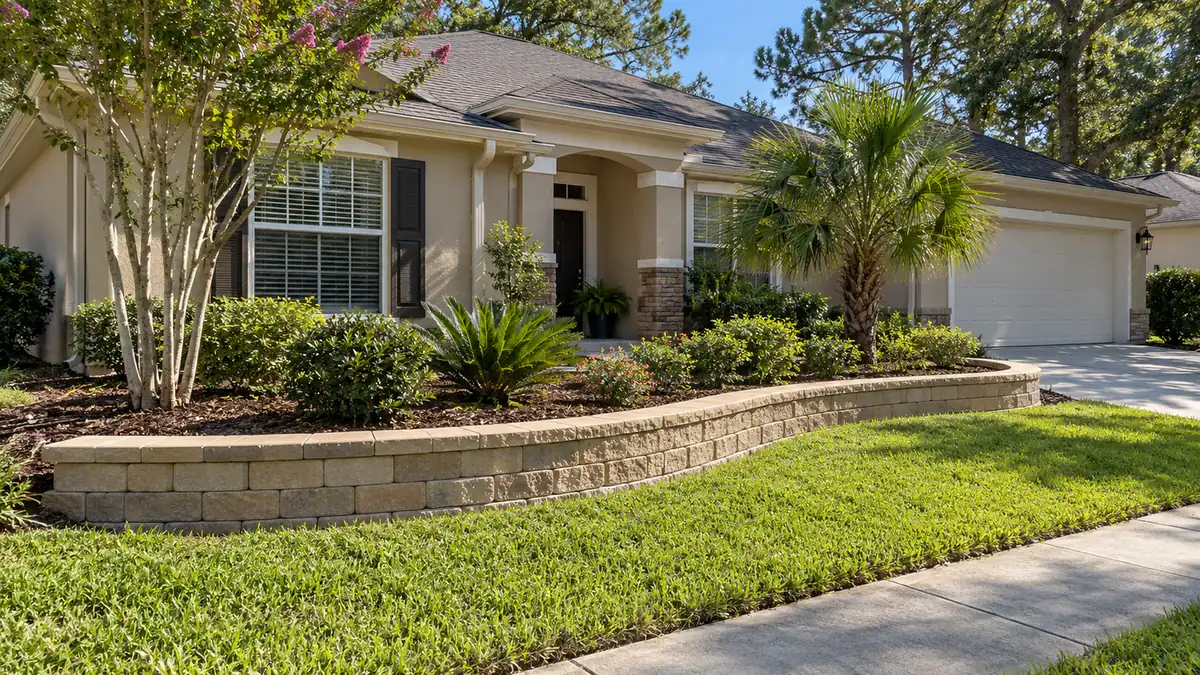
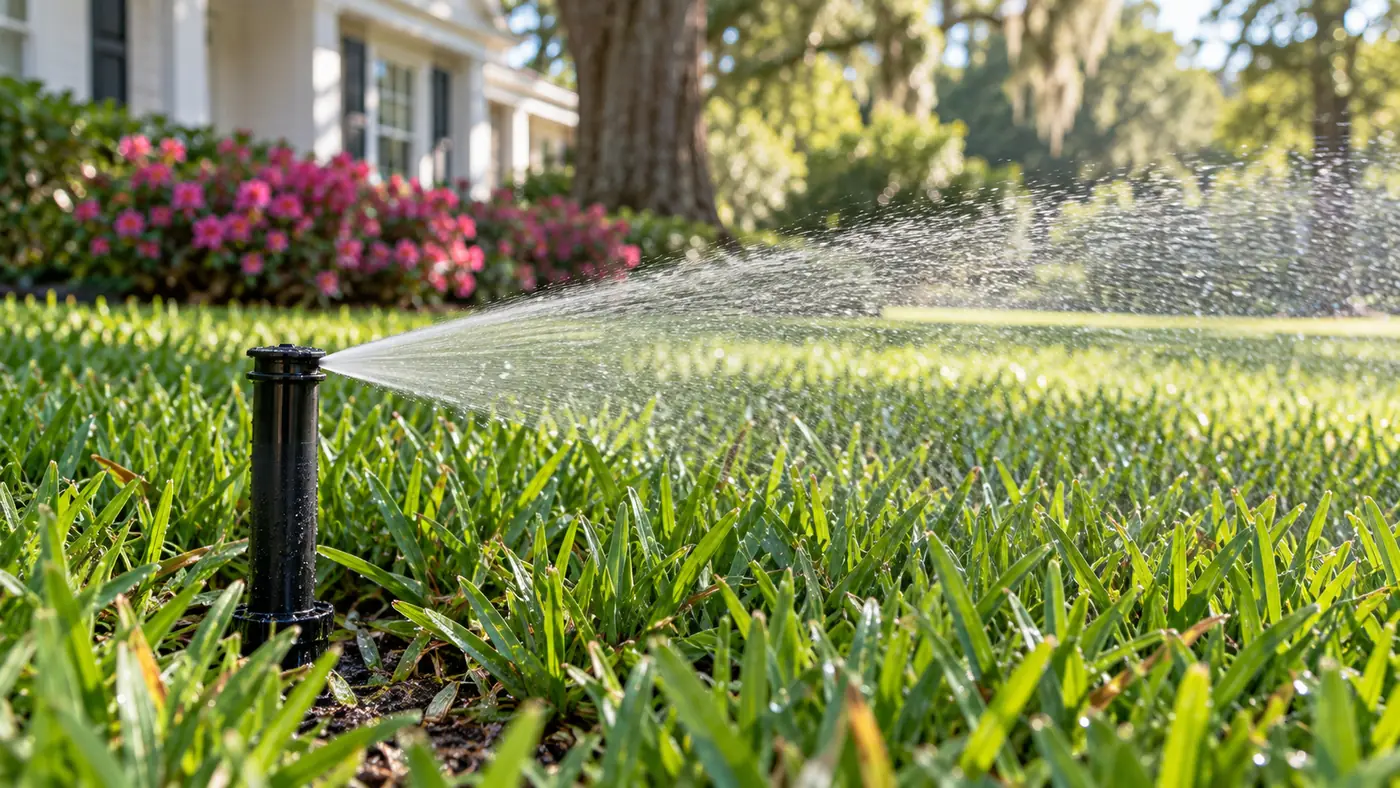
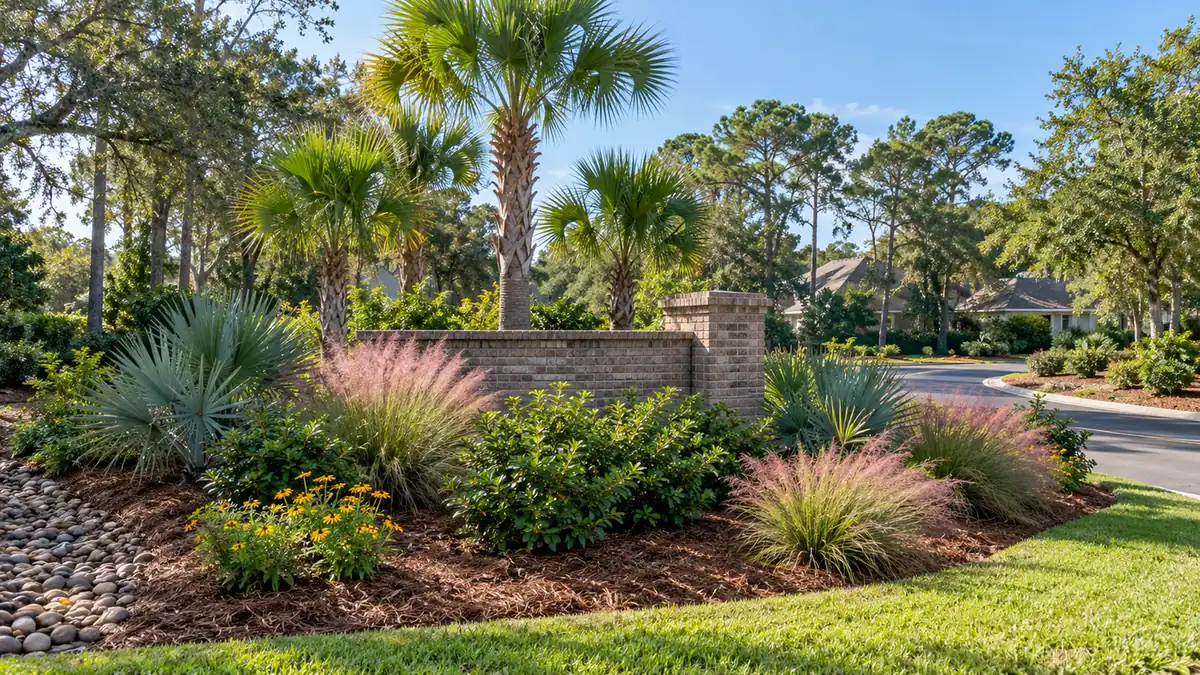
Take a look at recent drainage installations across local neighborhoods. From buried downspout runs and gravel-wrapped French drains to custom swales and catch basins, these projects show how proper pipe placement keeps yards dry without cluttering the landscape.
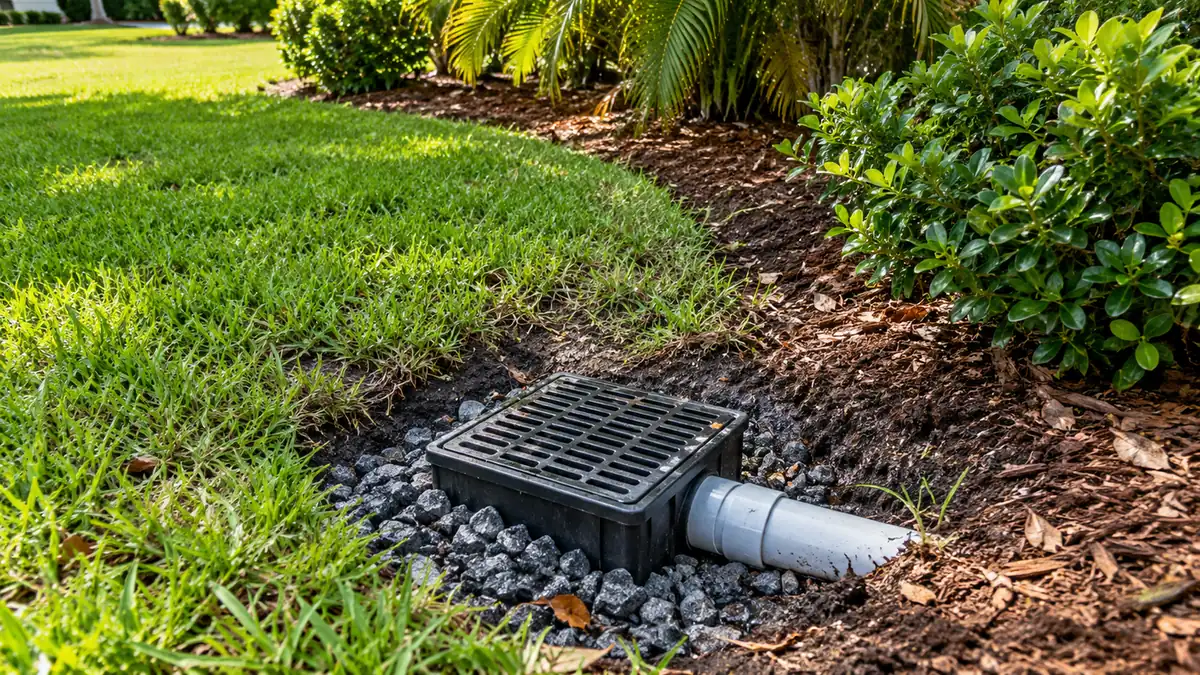
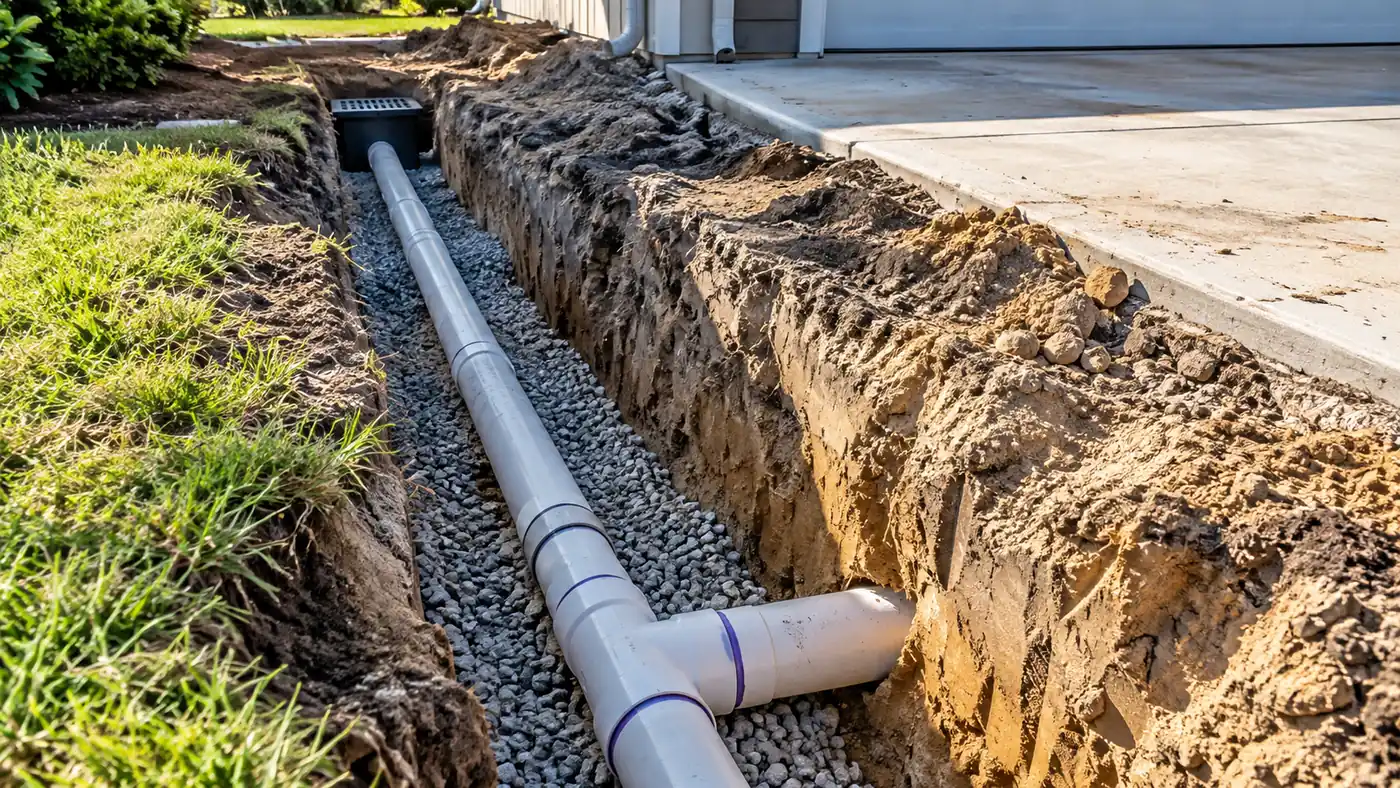
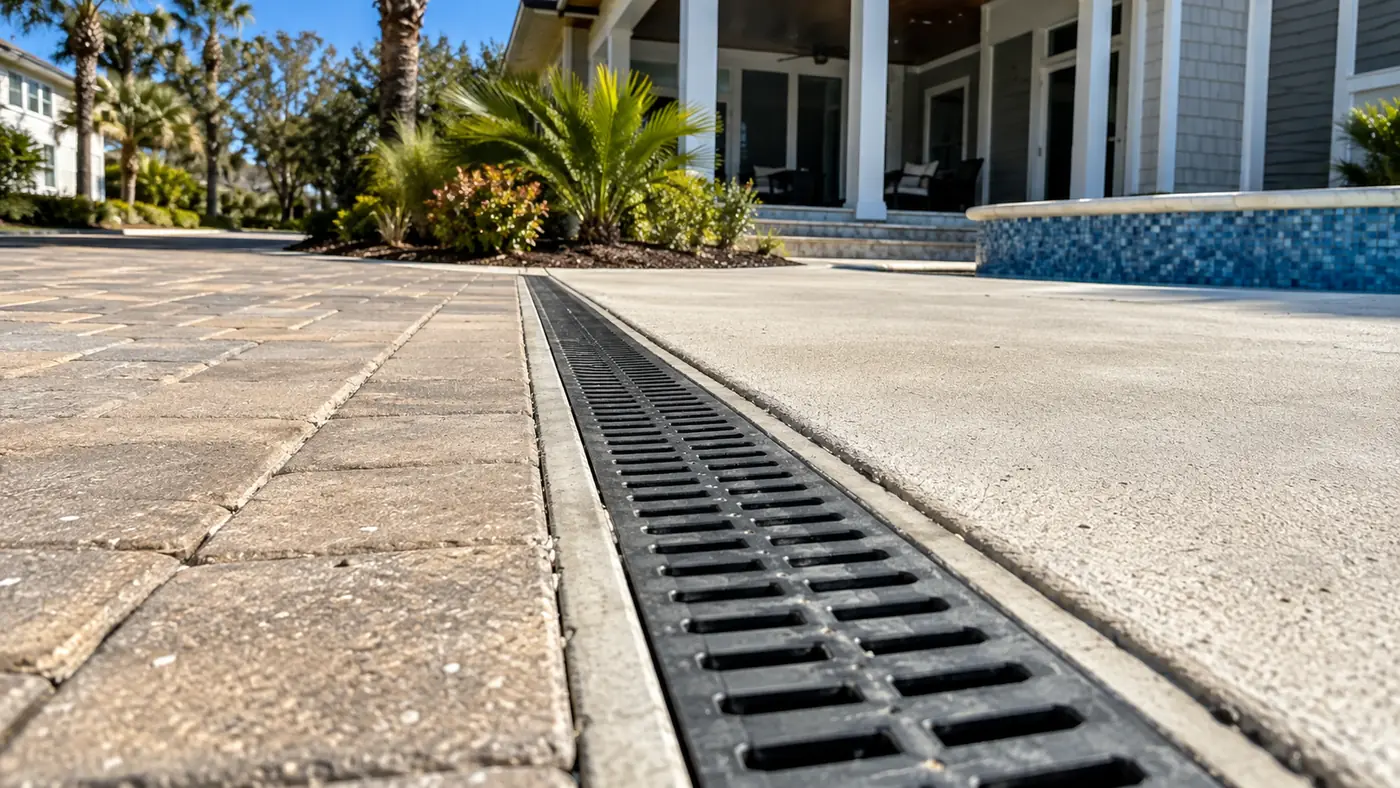
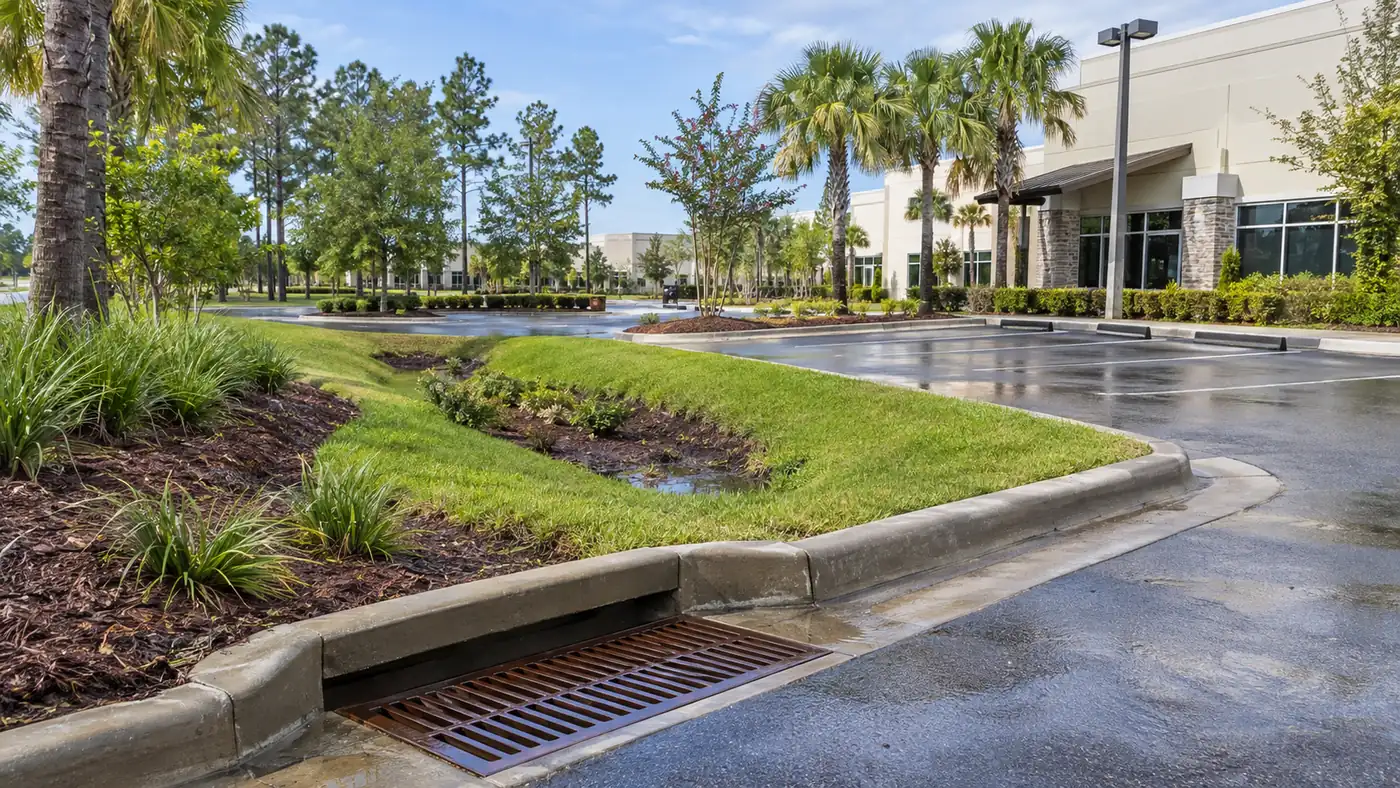
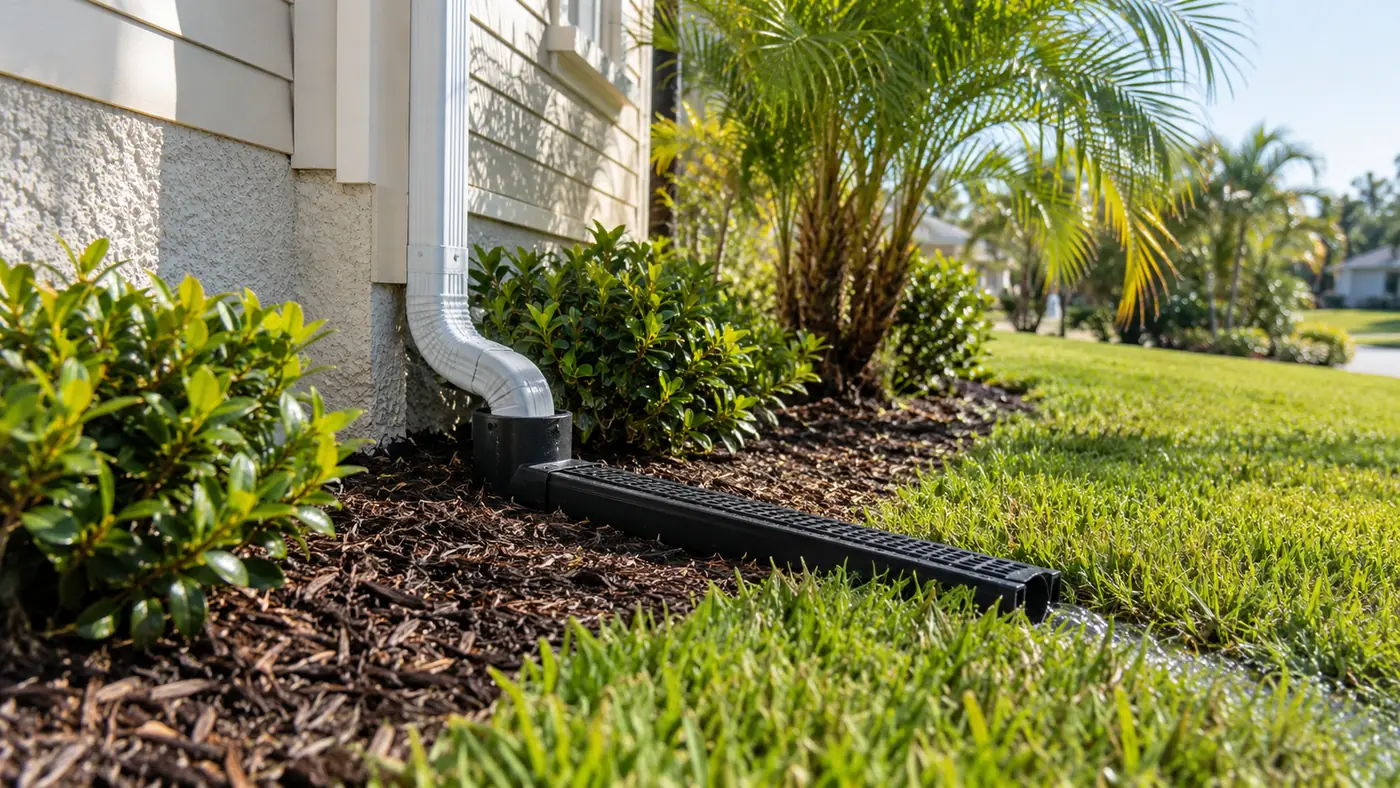
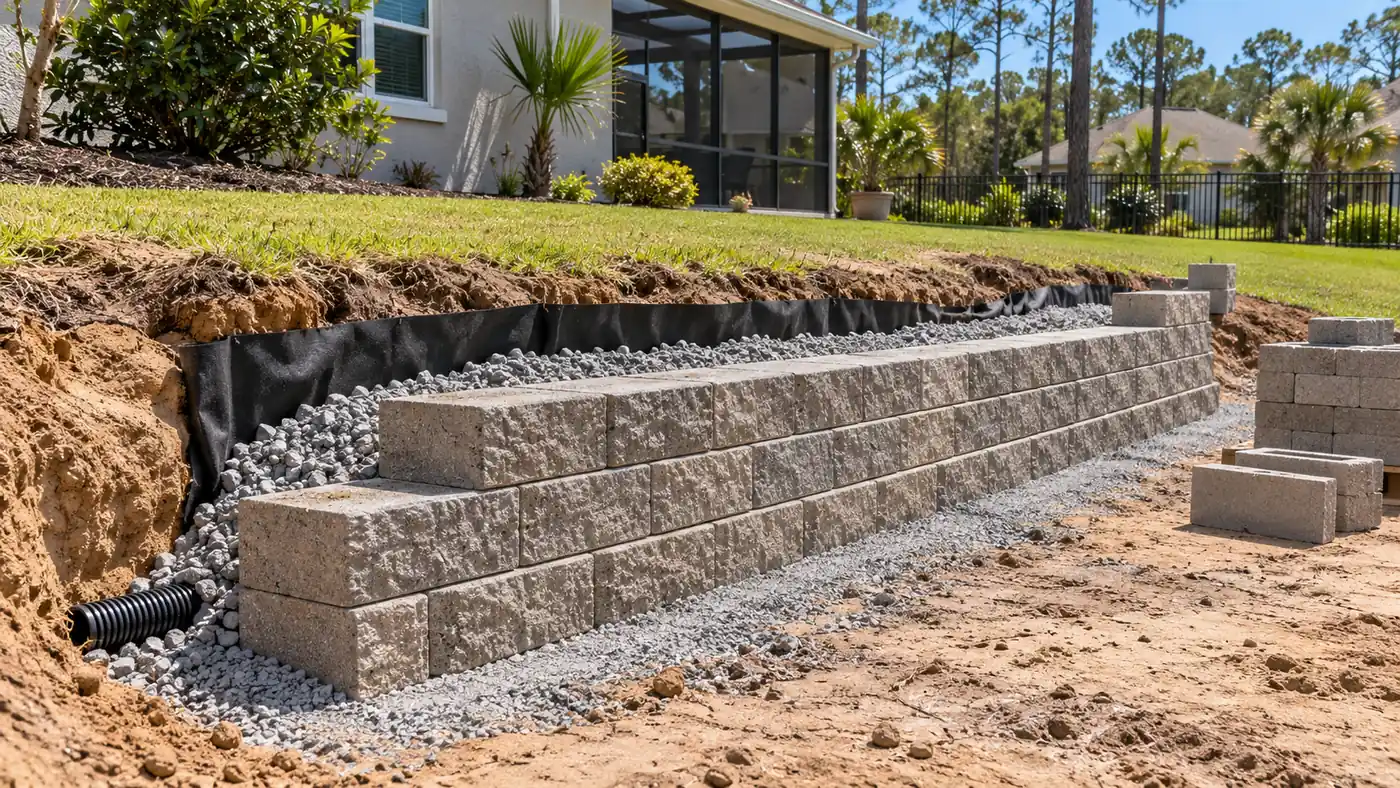
Images shown are design concept renderings, not photographs of completed projects.
What Local Property Owners Say
Feedback from folks who needed their yard back
We take pride in doing clean, durable work that solves real problems.
“Sam was patient, responsive, collaborative, met his deadlines, and provided helpful incite along the way for our project resulting in a beautiful new landscape design and implementation. His quote was also competitive with all other competitors. Highly recommend.”
“Sam and his crew did an outstanding job landscaping our yard. If you are looking for someone that is professional, great communicator, and knowledgeable about landscaping, I would highly recommend Sam for job. Thanks again Sam for the beautiful yard.”
“Sam and his crew performed the work we requested in a very professional and efficient manner. The work areas were left clean. Highly recommend!!”
Related Services
Questions Homeowners Ask Before Digging
Why does water sit in the yard long after the rain stops?
Water collects when rainfall hits faster than soil can absorb it, especially in areas with flat terrain, dense clay strata beneath sandy topsoil, or high local water tables. Without a clear path to drain downhill, surface runoff settles into low pockets. Over time, saturated soil rots grass roots, kills landscaping, and slowly seeps toward your foundation. Installing targeted catch basins or subsurface piping collects that trapped water and moves it away before it causes damage.
When is standing water a real threat to the house?
If you see water sitting within ten feet of your foundation for more than twenty-four hours after rain, that is a clear signal to take action. Other warning signs include soft, spongy turf near exterior walls, soil washing away from plant beds, and damp spots on garage floors. Ignoring these signs can lead to foundation cracking and costly structural repairs down the road. An on-site walkthrough helps pinpoint why water is accumulating and what type of pipe run will fix it.
Catch basins vs. French drains: which one do you actually need?
Catch basins target surface water. They sit flush with the ground in low spots, catching fast-moving rainwater before it saturates the soil and sending it down a solid pipe. French drains handle water that is already underground. They consist of a perforated pipe buried in a trench lined with stone and filter fabric, designed to collect subterranean water and lower the surrounding water table. Most properties in our area perform best with a combination of both.
How long will my yard be dug up during installation?
Most residential installations take between one and three days from start to finish. The timeline depends on total pipe length, ground hardness, tree roots, and gate access for equipment. We work in stages to keep disruption minimal. Trenches are dug, pipes laid, aggregate set, and sod re-installed quickly so your yard is neat, functional, and ready for the next heavy storm.
Can fixing poor drainage save a concrete slab or foundation?
Yes. Soil surrounding your home expands when soaked and shrinks as it dries out. This continuous swelling and settling creates massive hydrostatic pressure against concrete footings and floor slabs, eventually causing cracking and settling. Transporting roof runoff and surface water away through underground downspout lines keeps soil moisture levels stable around the home's perimeter, protecting structural concrete.
What kind of pipe and fabric hold up in wet coastal soil?
We use heavy-duty, smooth-interior PVC or thick corrugated pipe engineered for underground water main applications. For subsurface French drains, we wrap perforated lines in non-woven geotextile filter fabric and surround them with clean, washed aggregate stone. This prevents fine coastal sand from filtering into the pipe while letting water flow freely for years without clogging or collapsing.
Where does the water go when downspouts go underground?
During a heavy storm, thousands of gallons of water run off your roof. Standard splash blocks spill that water right next to your foundation walls. Underground downspout extensions tie those downspouts directly into solid buried pipes. The water travels under the lawn to a safe discharge zone, such as a pop-up emitter near the curb, a natural ditch, or a buried retention pit, keeping the home perimeter dry.
Do underground drainage lines need routine cleaning?
Well-built systems need very little maintenance. Clearing leaves, oak tassels, and grass clippings off catch basin grates once or twice a season keeps surface inlets open. Inspecting pop-up emitters at the discharge end after heavy storms ensures water flows freely. Because lines are wrapped in geotextile fabric and laid with steady slope, fine sand and roots are kept out automatically.
Ready to Talk About Your Yard?
Don't let another heavy storm turn your lawn into a swamp or threaten your home foundation. Cascioli Landscapes offers straightforward property evaluations and realistic solutions for stubborn drainage problems. Call us directly at (904) 874-5139 or email casciolilandscapes@gmail.com to set up a site visit.
Site Visits & Written Estimates
Call, email or send the form and we will set up a time to walk your property.